


You Are Not Alone: A Guide for Vizag’s Family Caregivers on Avoiding Burnout
Who takes care of the caregiver?
This is the most important question no one asks. When a parent falls ill, when a spouse needs
constant attention, when a family member requires round-the-clock care, everyone focuses
on the patient. Rightly so. But somewhere in the shadows, the family caregiver is silently
struggling.
If you are reading this, you might be that person. You are the son who rushes from work to
check on Amma. You are the daughter who has reduced her work hours to care for Appa. You
are the spouse who has not had a full night’s sleep in months. You are the one managing
medications, doctor appointments, bathing, feeding, and still trying to hold your own life
together.
You are exhausted. You are stressed. You may even feel resentful and then guilty for feeling
resentful. You have stopped meeting friends. Your own health is suffering. But you keep going
because there is no other option.
This blog is for you.
A Prabha Home Care Services sees you. We understand what you are going through because
we work with families like yours every day in Vizag. And we want you to know: You are not
alone. You do not have to do this all by yourself. Taking care of yourself is not selfish. It is
necessary. This guide will help you recognize the signs of caregiver burnout and show you
how to get the support you deserve.
The Silent Struggle: Recognizing the Signs of Caregiver Burnout
Caregiver burnout is a state of physical, emotional, and mental exhaustion. It happens when
you give more than you have to give, for too long, without adequate support. It does not
happen overnight. It creeps up slowly, and by the time you recognize it, you may already be in
deep.
Physical Signs of Burnout
Your body tells you when you are doing too much. Watch for:
- Constant fatigue and low energy, even after sleeping
- Changes in sleep patterns (cannot sleep or sleeping too much)
- Frequent illnesses like colds that you cannot shake
- Headaches, body aches, and physical pain
- Changes in appetite (eating too much or too little)
- Weight gain or weight loss
- Neglecting your own medical needs
Emotional Signs of Burnout
The emotional toll of caregiving is often the heaviest burden:
- Feeling overwhelmed and hopeless
- Irritability and mood swings
- Constant worry and anxiety
- Feeling sad or depressed
- Becoming easily frustrated or angry
- Feeling numb or detached
- Losing interest in things you used to enjoy
- Feeling guilty when you are not caring for your loved one
Social Signs of Burnout
Caregiving can be isolating. Look for these signs:
- Withdrawing from friends and family
- Canceling plans because you are too tired
- Losing touch with your social network
- Feeling like no one understands what you are going through
- Avoiding conversations about your own needs
- Feeling resentful of friends who have free time
Mental Signs of Burnout
Your mind also suffers under constant stress:
- Difficulty concentrating
- Forgetfulness
- Trouble making decisions
- Negative thinking
- Constant worrying about the future
- Feeling like you are on autopilot
If any of these sound familiar, please know that you are not weak. You are not failing. You are
human. And you need support.
The Vizag-Specific Caregiver Challenge
Living in Vizag adds its own unique pressures to the caregiving journey. Understanding these
challenges is the first step to addressing them.
The Joint Family Dynamic
In many Vizag families, multiple generations live together or nearby. This can be a blessing,
but it also means expectations are high. There may be pressure to provide care at home rather
than seek outside help. Family members may have different opinions about what is best.
Navigating these dynamics while exhausted is incredibly difficult.
The Commute Factor
Vizag is a growing city with spread-out neighborhoods. You may live in Gajuwaka while your
parents are in Vizag city. The daily commute to provide care, check on them, or take them to
appointments adds hours to an already packed day. That time and energy drain adds up
quickly.
Cultural Expectations
In our culture, caring for parents is not just love, it is duty. The expectation that children
(especially daughters) will provide care is deeply ingrained. Asking for help can feel like failure.
Admitting you are overwhelmed can bring judgment. These cultural pressures keep many
caregivers suffering in silence.
Limited Local Support Resources
While awareness is growing, Vizag still has limited structured support systems for family
caregivers. Support groups are rare. Respite care services are not widely known. Many
caregivers do not even know that professional help is available and affordable.
How A Prabha Home Care Services Provides Respite Care for You
Respite care is temporary, short-term relief for primary caregivers. Think of it as a break that
allows you to recharge while your loved one continues to receive excellent care. A Prabha
Home Care Services offers several types of respite care designed specifically for Vizag
families.
The Gift of Time
When you hire a caregiver from A Prabha, even for a few hours, you give yourself the gift of
time. Time to:
- Sleep without interruption
- Have coffee with a friend
- Go to the movies
- Read a book
- Exercise
- Just sit and do nothing
- Run errands without rushing
- Attend your own doctor appointments
- Visit other family members
This is not a luxury. It is a necessity. You cannot pour from an empty cup.
Types of Respite Care We Offer
Hourly Respite Care
Perfect for when you need a few hours to yourself. Our caregiver comes to your home and
provides care while you take a break. This can be:
- A few hours on weekends
- Regular weekly breaks
- Evening coverage so you can go out
- Emergency coverage when something comes up
Daily Respite Care
If you need regular, predictable breaks, daily respite care provides:
- Several hours of care each day
- Consistent caregiver who knows your loved one
- Routine that works for both you and the patient
- Time to work, rest, or manage other responsibilities
Overnight Respite Care
Sleep deprivation is one of the hardest parts of caregiving. Overnight care gives you:
- A full night of uninterrupted sleep
- Peace of mind knowing someone is there
- Coverage for nighttime needs like bathroom assistance
- Restored energy to face the next day
Live-In Respite Care
For family caregivers who need an extended break, live-in respite care provides:
- Round-the-clock coverage for days or weeks
- Complete relief from all caregiving duties
- Time to travel, recover from illness, or simply rest
- Total peace of mind
Emergency Respite Care
Sometimes life throws unexpected challenges. Emergency respite care provides:
- Last-minute coverage when you need it
- Quick response for urgent situations
- Reliable support when your plans fall through
- Immediate relief in crisis
5 Practical Self-Care Tips for Vizag Caregivers
While professional respite care is essential, there are also things you can do every day to
protect your own well-being. Here are practical tips designed for caregivers in Vizag.
Tip 1: Accept Help When It Is Offered
When someone says, “Let me know if you need anything,” they mean well, but vague offers
rarely lead to real help. The next time someone offers, give them a specific task:
- “Can you pick up groceries from the market?”
- “Can you sit with Amma for two hours on Saturday?”
- “Can you help with dropping off prescription refills?”
- “Can you bring dinner one night this week?”
- “Can you help with transportation to the doctor?”
People want to help. Give them a way to do it.
Tip 2: Join a Support System
You need people who understand what you are going through. Consider:
- Online caregiver support groups
- Local community groups
- Temple or church-based support networks
- Friends who are also caregivers
- Regular check-ins with someone who just listens
A Prabha Home Care Services is exploring starting a local caregiver support group in Vizag.
Let us know if you would be interested.
Tip 3: Prioritize Your Own Health
You cannot care for someone else if you are sick. Make your health a priority:
- Keep your own doctor appointments
- Take your medications as prescribed
- Try to get at least some sleep each night
- Eat regular meals, even if simple
- Drink plenty of water (especially important in Vizag’s climate)
- Move your body, even just a short walk
Tip 4: Set Realistic Goals and Boundaries
You cannot do everything. You cannot be everything to everyone. It is okay to:
- Say no to additional responsibilities
- Let some things go (the house does not have to be perfect)
- Ask other family members to step up
- Accept that you are doing your best
- Lower your expectations for yourself
- Recognize your limits
Tip 5: Use Technology to Lighten the Load
Technology can be a caregiver’s best friend:
- Set medication alarms on your phone
- Use video calling to check in without traveling
- Install a nanny cam for peace of mind when you step out
- Use online grocery delivery services
- Join WhatsApp groups for local support
- Use apps to track medications and appointments
Real Stories from Vizag Families: The Power of Support
The Daughter from Seethammadhara
Anjali, a software professional living in Seethammadhara, was caring for her mother who had
suffered a stroke. She had reduced her work hours, stopped meeting friends, and was
sleeping poorly. The stress was affecting her marriage and her health.
“I was drowning,” she says. “I loved my mother, but I was so exhausted I couldn’t feel anything
anymore. Then a friend suggested respite care. I felt guilty even thinking about it, but I was
desperate.”
Anjali hired A Prabha for daily companionship and personal care for her mother. The change
was immediate.
Now, I can work without constant interruption. I have energy when I come home. I actually
enjoy spending time with Amma instead of just managing her. The caregiver doesn’t replace
me. She supports me so I can be a better daughter.
The Son from Gajuwaka
Rajesh, a businessman in Gajuwaka, was commuting daily to his parents’ home in Vizag city to
care for his father with dementia. The travel, the caregiving, and managing his business was
destroying him.
I was falling apart. My blood pressure was high. I was snapping at everyone. My wife was
worried. Then a friend told me about A Prabha. I hired overnight care so I could actually sleep
when I was home.
With overnight coverage, Rajesh now gets proper rest. He still provides care, but he is no
longer alone in it.
I wish I had done this earlier. I was being a martyr for no reason. My father gets better care,
and I am a better son because I am not exhausted.
Overcoming the Guilt of Asking for Help
The biggest barrier to getting help is guilt. Many caregivers feel they should be able to do it all.
They feel that asking for help means they are failing. This guilt is understandable, but it is also
dangerous.
Why You Deserve Help
Consider these truths:
- You did not cause your loved one’s illness
- You cannot pour from an empty cup
- Professional caregivers have training you do not have
- Your loved one deserves rested, present care
- Your own family (spouse, children) needs you too
- Your health matters
- You have limits like every human being
Reframing Help as Strength
Asking for help is not weakness. It is wisdom. It is recognizing that you cannot do it all and that
is okay. The strongest people know when they need support.
Think of it this way: When you hire a professional caregiver, you are not abandoning your
loved one. You are ensuring they receive the best possible care while preserving your own
ability to be present and loving.
When to Seek Professional Help
Here are signs that it is time to bring in professional support:
- You are physically exhausted and sleep-deprived
- Your own health is suffering
- You have stopped all social activities
- You feel angry, resentful, or hopeless
- You are making mistakes with medications or care
- Your loved one’s needs exceed your abilities
- You feel completely alone
- Family members are arguing about care decisions
- You have had thoughts of harming yourself or your loved one
- You just know you cannot keep going like this
Trust your instincts. If you feel like you need help, you probably do.
How to Talk to Your Family About Getting Help
Bringing up the need for professional care can be difficult. Family members may have different
opinions. Here is how to approach the conversation:
Start with "I" Statements
Instead of saying, “We need help because you aren’t doing enough,” try:
- “I am feeling overwhelmed and need some support.”
- “I am worried that I cannot provide the level of care Amma needs.”
- “I need help to be the best caregiver I can be.”
- “I am concerned about my own health.”
Focus on the Patient's Needs
Frame it as getting the best care for your loved one:
- “Professional caregivers have training we don’t have.”
- “This will ensure Appa gets the specialized attention he needs.”
- “Having help means I can focus on quality time instead of just tasks.”
- “This is what is best for Amma’s recovery.”
Suggest a Trial
If family members are resistant, suggest trying it for a short time:
- “Let’s try it for two weeks and see how it goes.”
- “We can start with just a few hours a week.”
- “If it doesn’t work, we can reconsider.”
Invite Them to Be Part of the Solution
Involve family members in the decision:
- “Can we meet with A Prabha together to discuss options?”
- “What concerns do you have? Let’s address them.”
- “How can we work together to make this work?”
Conclusion
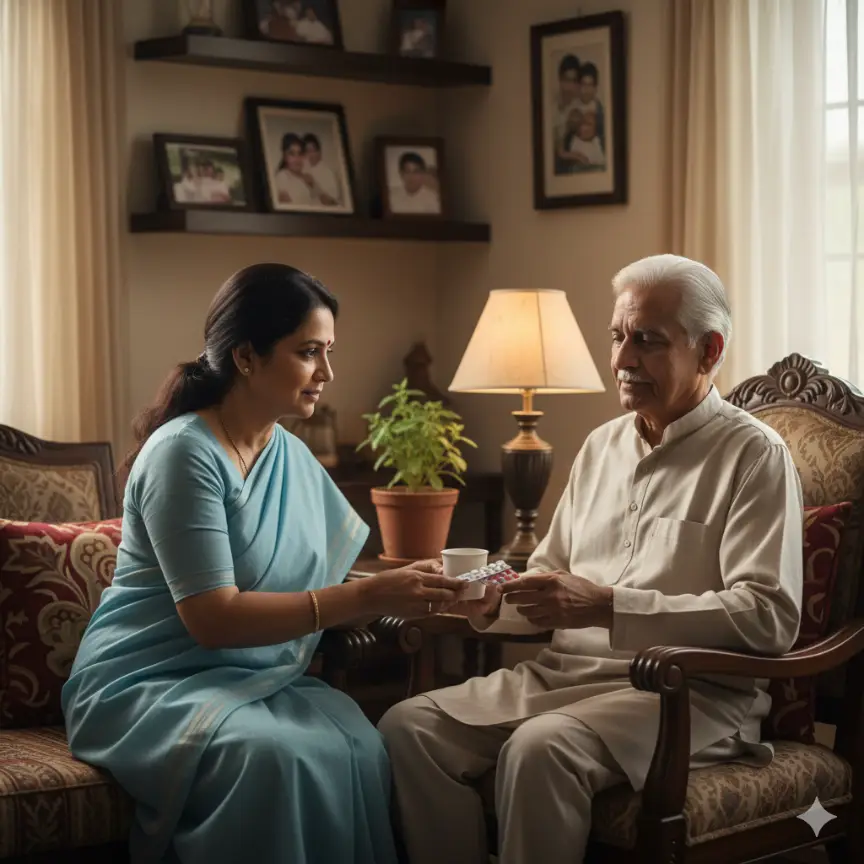
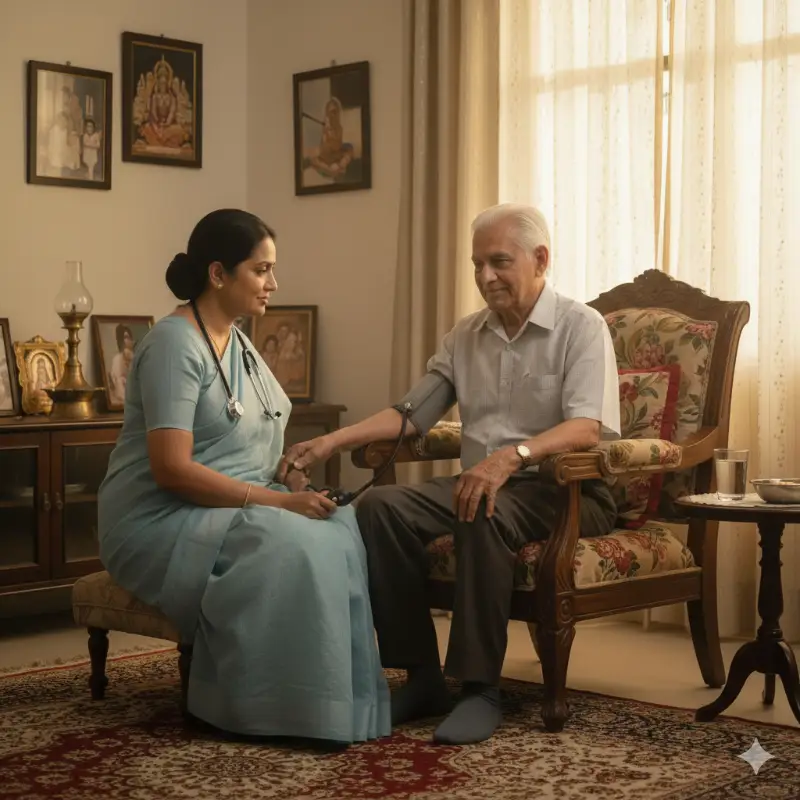
You have been strong for so long. You have given everything you have. But you cannot keep
going without support. You deserve rest. You deserve care. You deserve to be more than just
a caregiver.
A Prabha Home Care Services is here for you. Whether you need a few hours to rest,
overnight coverage so you can sleep, or a complete break to recharge, we are your partners in
this journey. Your loved one deserves excellent care. And you deserve peace of mind.
You are not alone. You do not have to do this alone. Help is available. All you have to do is ask.
Contact A Prabha Home Care Services today to learn how our respite care services can give
you the break you deserve.
Serving all areas of Visakhapatnam
Call us for a free consultation
Visit our website to learn more about caregiver support services
Because the best caregivers also need care